Peugeot 106

Less car.
On purpose.
2,798,200 Peugeot 106s were built in twelve years. Most were ordinary. A few were built to be raced. This is the file on all of them.
Le principe
A small car with a large argument.
Lightness is a kind of speed.
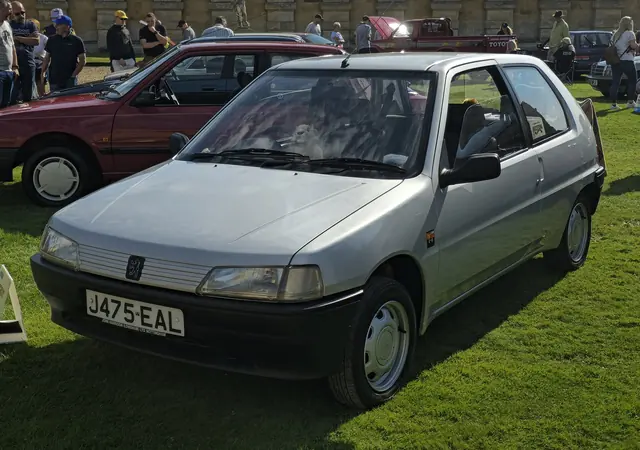
The Peugeot 106 arrived in September 1991: 3.56 metres long, from 790 kilograms, drawn by Laurent Rossi on a platform developed from the Citroën AX. It stayed on sale for twelve years.
It was the family’s second car and a taxi for the school run. In a few hands, and with the right engine, it was also one of the best small rally cars in Europe.
- millimetres, Phase I
- 3,564
- 3.56 m nose to tail
- kilograms, lightest
- 790
- Before fuel and a driver
- built, 1991 – 2003
- 2,798,200
- Mulhouse · Aulnay · La Marsa
- PS from 1.3 litres
- 100
- Rallye S1, at 7,200 rpm
Trois tempéraments
Three ways to make a 106 fast.
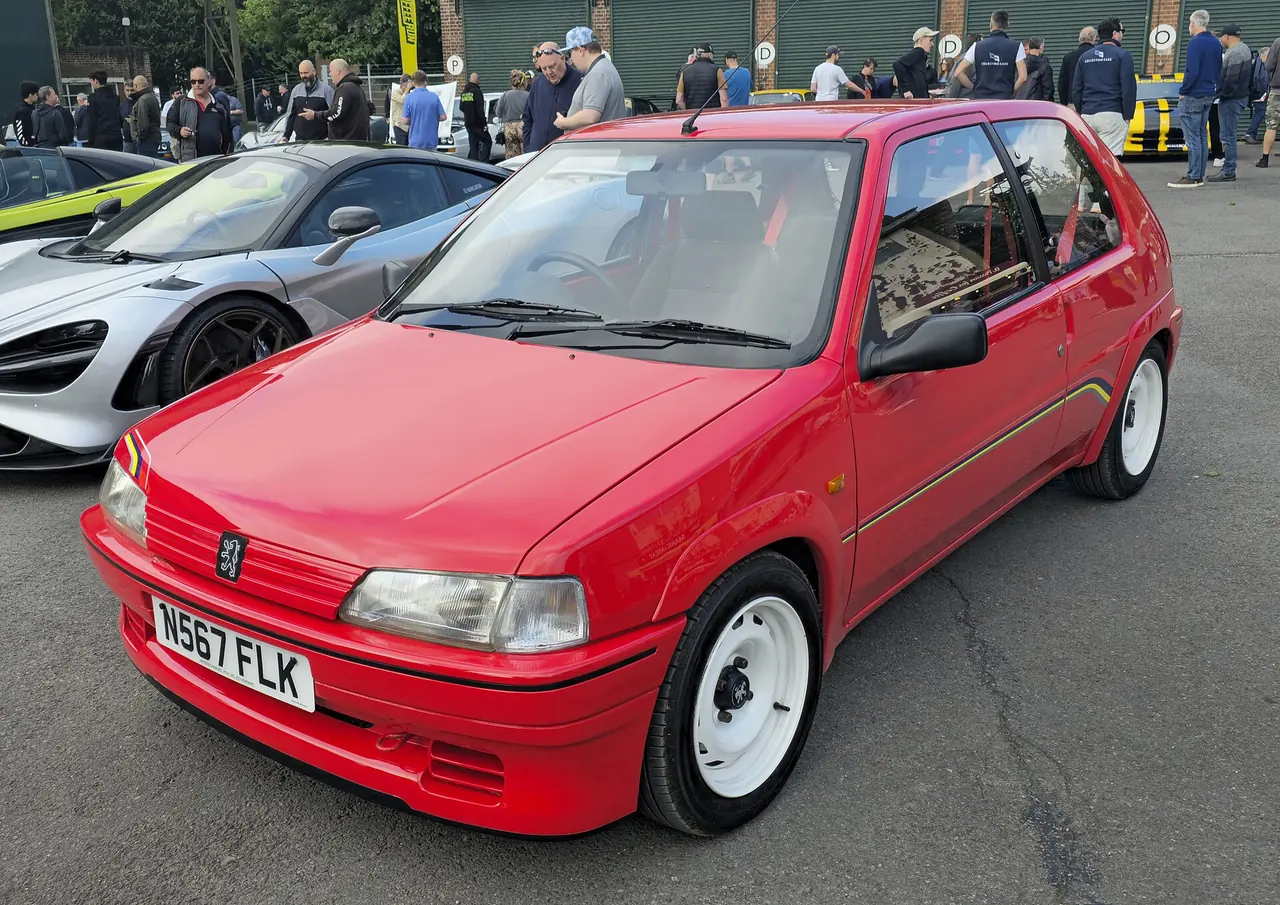
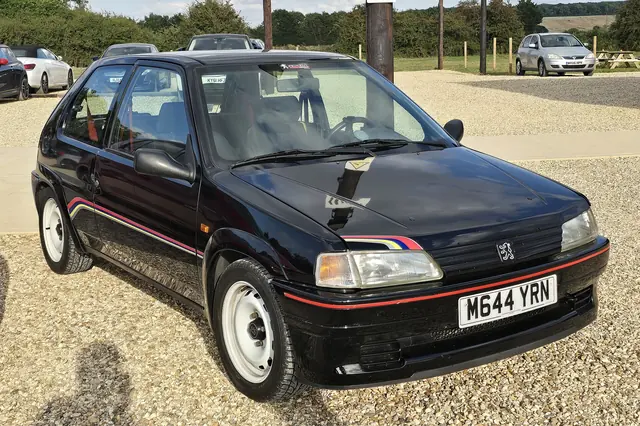
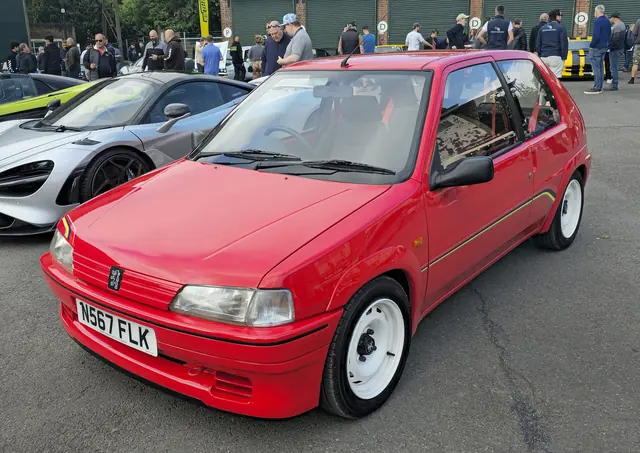
Photo: Calreyn88 · CC BY-SA 4.0 Rallye Series 1
100 PS. 825 kg. No power steering.
- PS
- 100
- kg
- 825
- 0–100
- 9.6
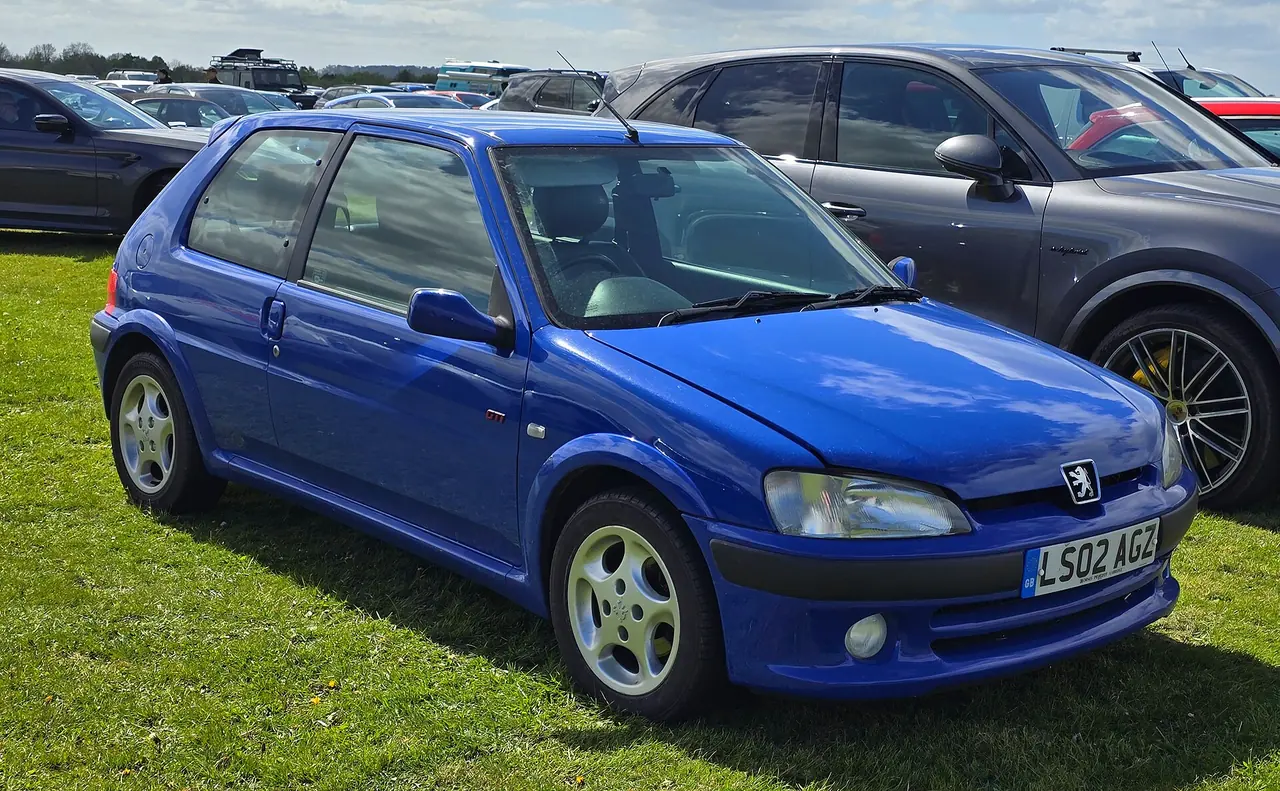
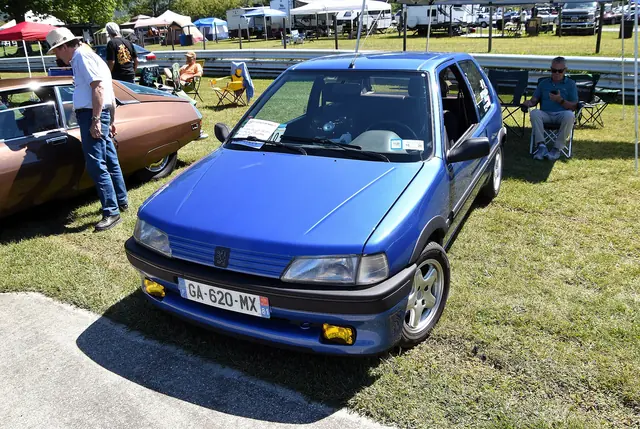
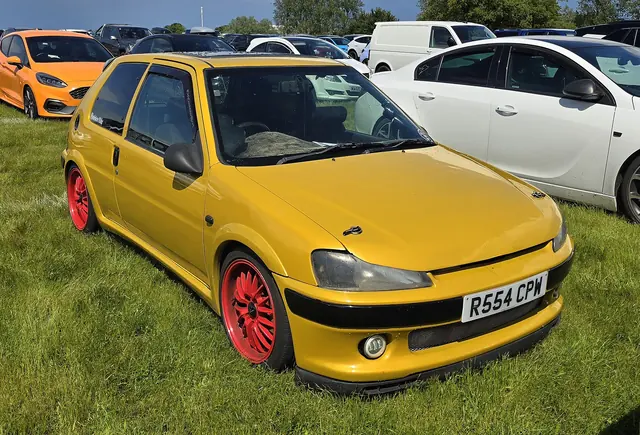
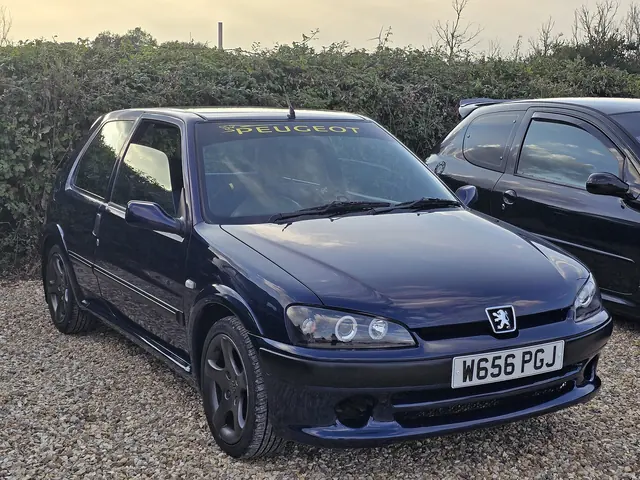
Photo: Calreyn88 · CC BY-SA 4.0 S16 · GTI
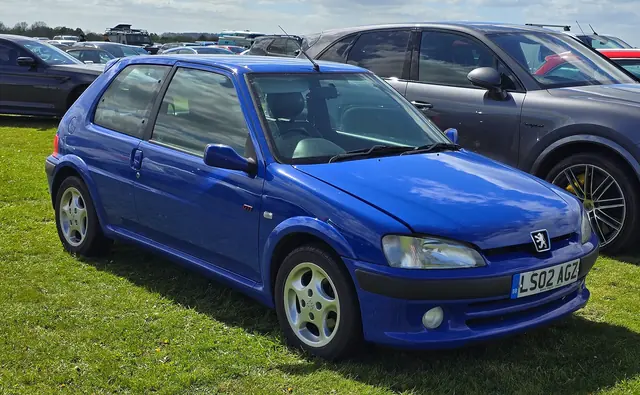
Sixteen valves, four discs, ABS.
- PS
- 120
- kg
- 940
- 0–100
- 8.7
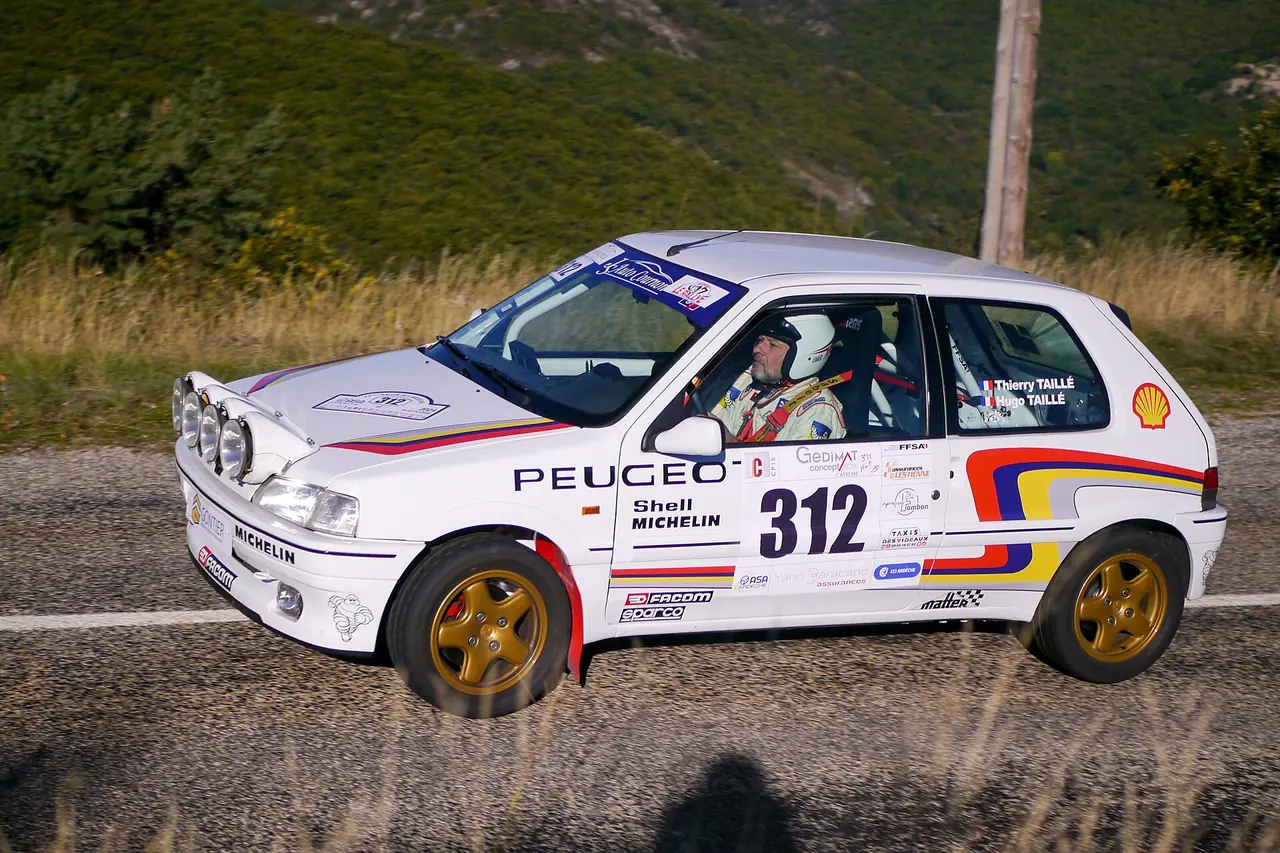
Photo: Kakoula10 · CC BY-SA 4.0 106 Maxi
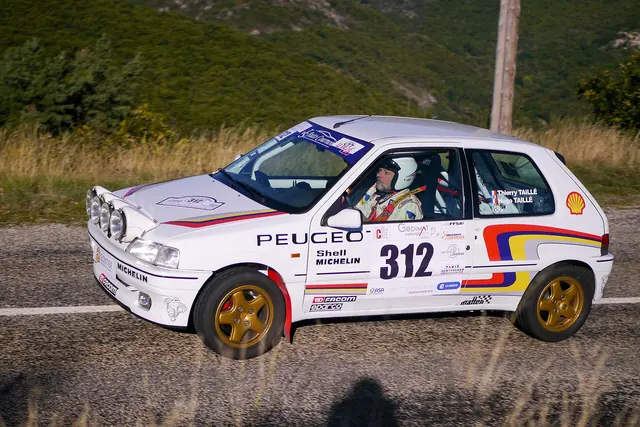
A wide-body, sequential-gearbox Kit Car.
- PS
- 225
- kg
- 900
- 0–100
- —
Sommaire
Open the file.
- 01StoryTwelve years, two phases, one long tail.
- 02ModelsFrom the 790 kg XN to the Maxi Kit Car.
- 03MotorsportGroup N, Group A, F2. Loeb's first rally car.
- 04TechAn engineering archive, not a spreadsheet.
- 05DNAWhy it looks the way it does.
- 06CompareAny two variants, side by side.
- 07GalleryTwelve plates, credited.
- 08ArchiveEvery record and every source.