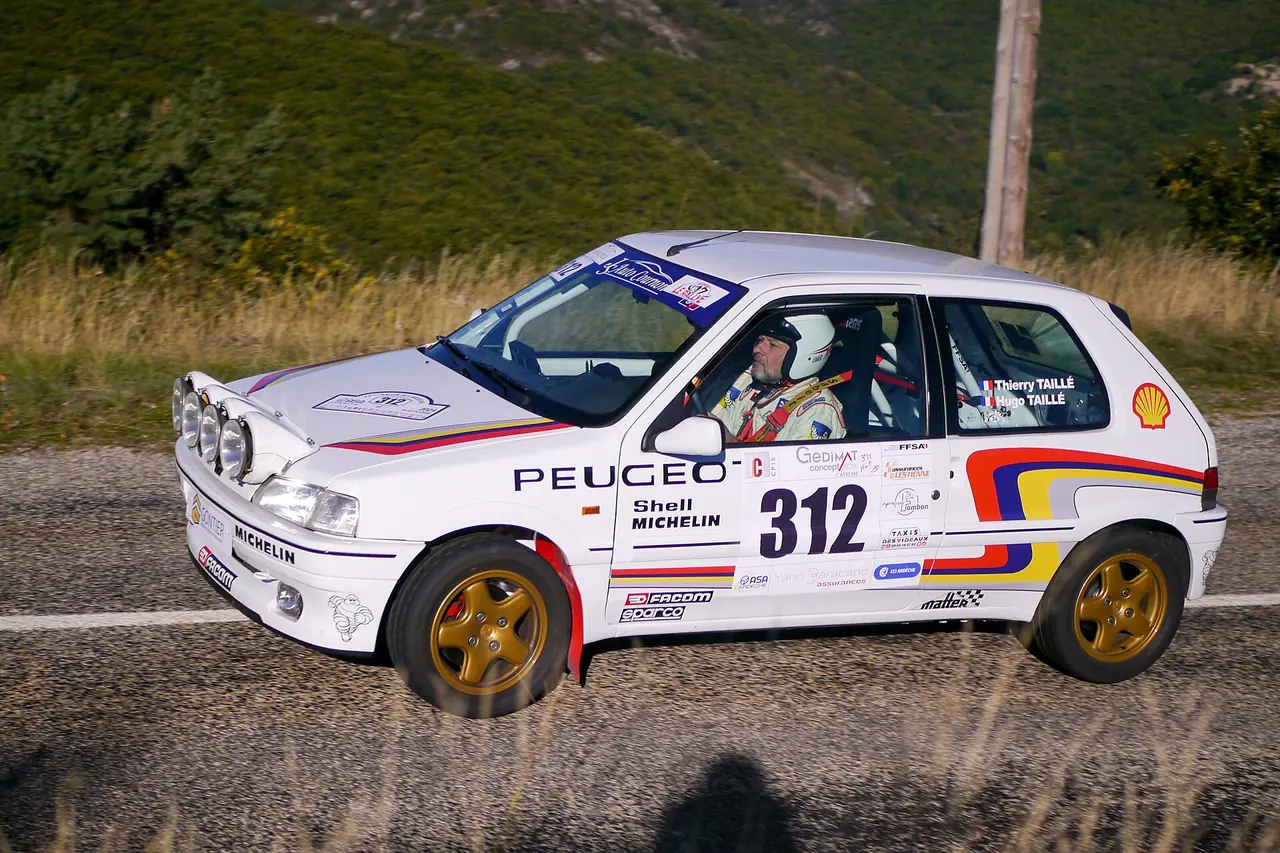
A white Peugeot 106 XSi rally car with number 312 on a tarmac stage in the Ardèche
Compétition

Built to be flat out.

The 106 was homologated for Group A and Group N, raced in one-make cups, entered in 24-hour races and stretched into a Kit Car. It was also where a generation of drivers learned to drive.

A 106 XSi in historic rallying, Rallye de l’Ardèche 2024 · Photo credit on the gallery page

Fiche d’homologation

The paperwork that made the Rallye.

To race in Group A or N a car has to exist in numbers. Peugeot Sport built the Rallye so a private driver could buy the homologated car, bolt on Peugeot Sport parts and compete in the 1.3-litre class, and later at 1.6.

FIA · Fiche d’homologationGroupe A / N
Modèle
Peugeot 106 Rallye
Homologation n°
5505
Date
2 janvier 1994
Cylindrée
1 294 cm³
Puissance
100 PS · 7 200 tr/min
Masse
825 kg
Boîte
5 rapports, rapprochés
Freins
Disques AV · tambours AR
Read the Rallye Series 1 file →

The record, stage by stage

  1. Entry 011990srally

    Sébastien Loeb's first rally car

    Peugeot 106 Rallye

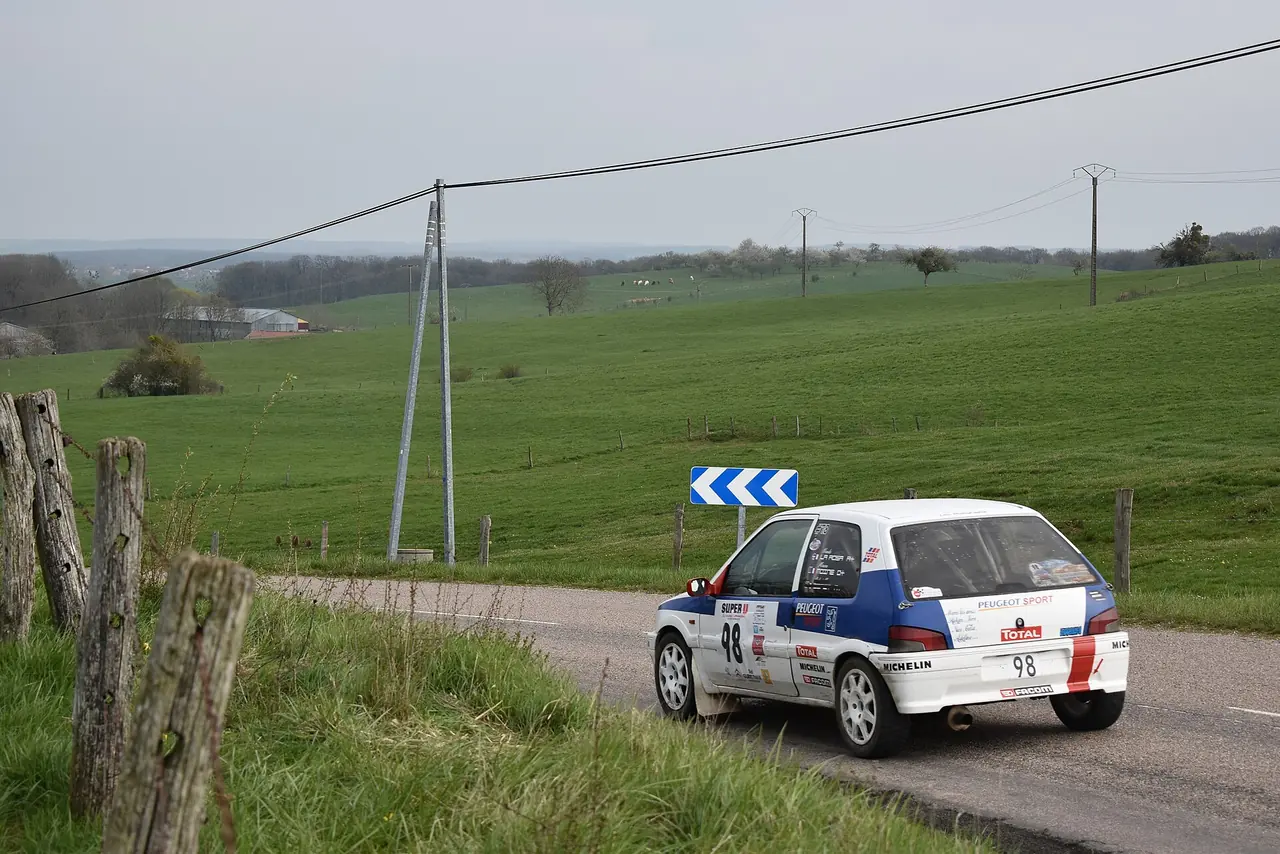
    Peugeot 106 Rallye, Sébastien Loeb's first rally car
    Photo: SunflowerYuri · CC0

    Before nine World Championships, Sébastien Loeb's first rally car was a 106. He won four races in the 1,300 cc category of a regional series before jumping to 1,600 cc and being named 'best hope of the year' by the French magazine Échappement.

    Class wins
    4 in the 1300 category
    Later
    Moved up to the 1600 category
    The Rallye Series 1 →
  2. Entry 021990s–2000sone-make

    106 Cup and national one-make series

    Peugeot 106 Rallye

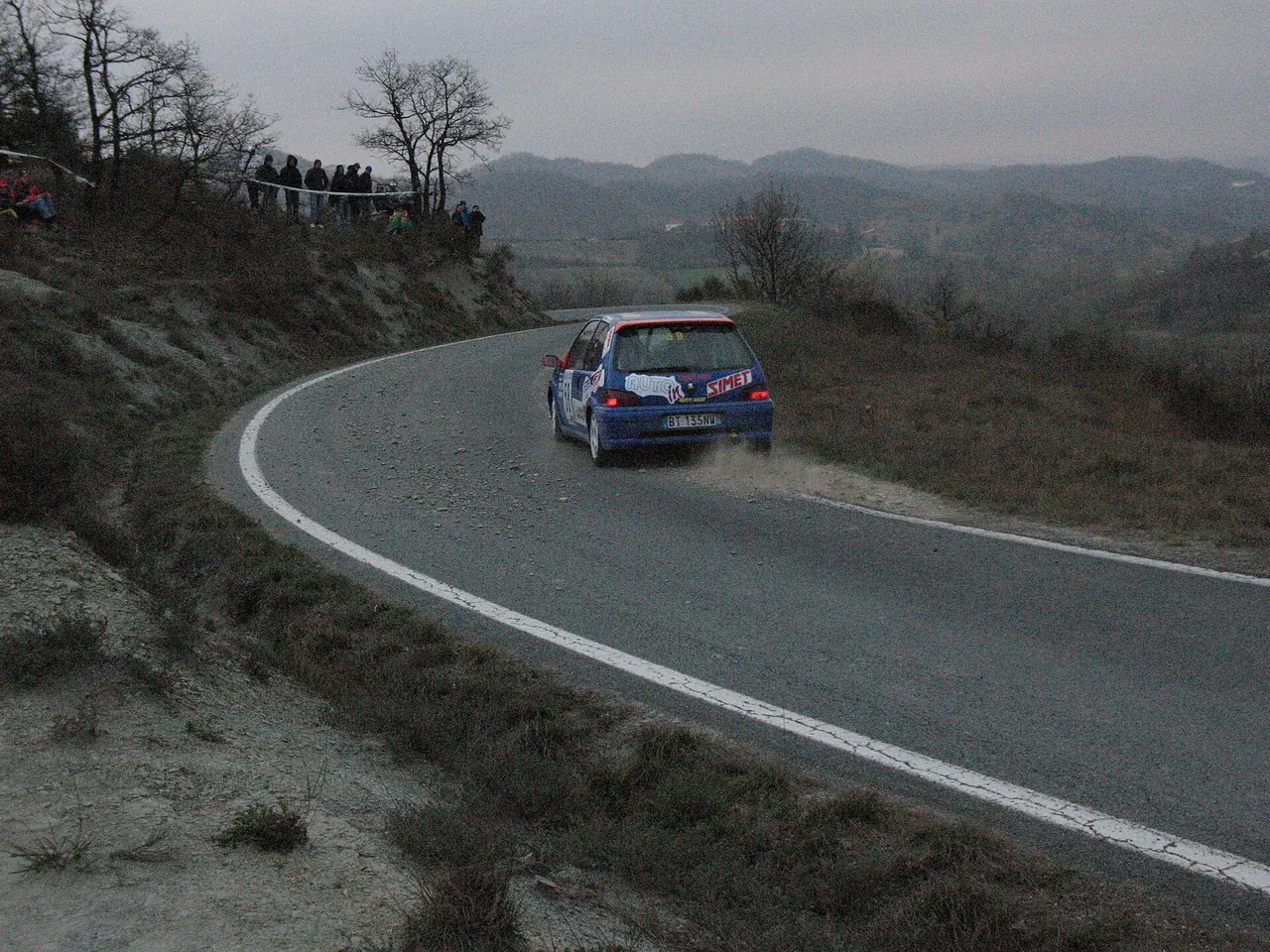
    Peugeot 106 Rallye, 106 Cup and national one-make series
    Photo: SunflowerYuri · CC BY-SA 4.0

    The 106 Rallye ran in Group N, Group A, national championships, Peugeot Sport meetings and one-make cups. Peugeot Sport sold parts for suspension, brakes, gearboxes, limited-slip differentials, roll cages and engines. The Cup is remembered as a talent pool: Mark Fisher, Kris Meeke, Cédric Robert, Alex Bengué and Daniel Sola all came through.

    Classes
    Group N · Group A · one-make
    Alumni
    Meeke · Fisher · Robert
    The Rallye Series 2 →
  3. Entry 031993–2003endurance

    Nürburgring 24 Hours

    Peugeot 106

    A 106 entered the Nürburgring 24 Hours every year from 1993 to 2003, ending only with the end of the car.

    Entries
    Every year 1993–2003
  4. Entry 041993circuit

    National Saloon Car Cup · Willhire 24 Hours

    Peugeot 106

    Olympic decathlete Daley Thompson wins his class at Thruxton in the National Saloon Car Cup and enters the Willhire 24 Hours at Snetterton in a 106.

    Driver
    Daley Thompson
    Circuit
    Thruxton · Snetterton
  5. Entry 051994homologation

    FIA homologation, Groups A & N

    Peugeot 106 Rallye (Series 1)

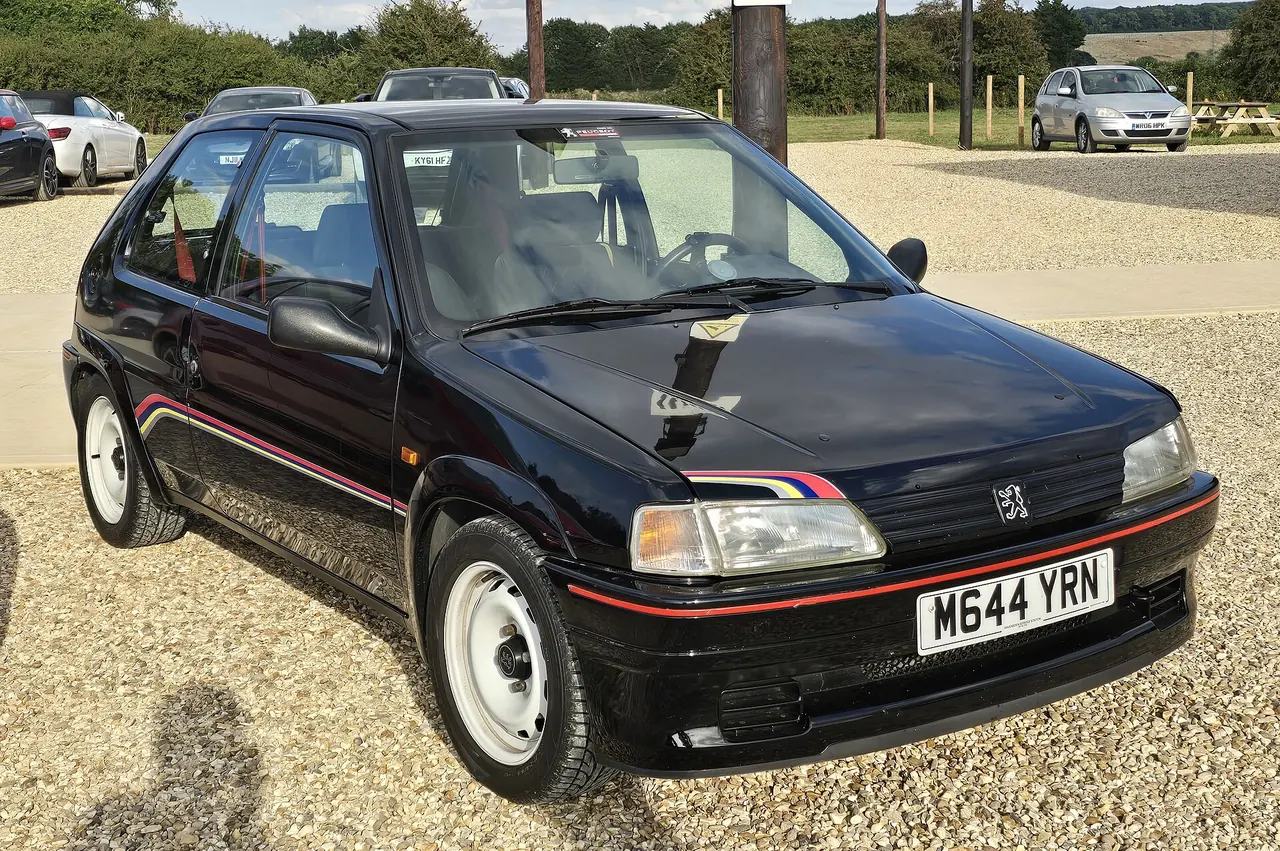
    Peugeot 106 Rallye (Series 1), FIA homologation, Groups A & N
    Photo: Calreyn88 · CC BY-SA 4.0

    Model 5505, the 1,294 cc Rallye, homologated on 2 January 1994. The 1.3-litre capacity class is chosen so that private drivers could compete without a factory budget.

    Homologation
    5505 · 2 Jan 1994
    Engine
    1,294 cc · 100 PS
    Weight
    825 kg
    The Rallye Series 1 →
  6. Entry 061996–2000rally

    F2 Kit Car · French championships

    Peugeot 106 Maxi

    Built by Peugeot Sport for the 2-litre F2 Kit Car regulations, using the approach of the 306 Maxi in the 106 bodyshell. Kit Cars could beat four-wheel-drive rivals on tarmac, and the regulations were later tightened. The 106 Maxi is a 1.6-litre 16-valve with four throttle bodies, a sequential six-speed and a one-piece wide body.

    Power
    215–238 hp @ ≈9,500 rpm
    Gearbox
    6-speed sequential
    Weight
    ≈900 kg
    Built
    ≈40 (unconfirmed)
    The 106 Maxi →
  7. Entry 071997–1999endurance

    Spa 24 Hours

    Peugeot 106

    The 106 competed at Spa for three years, with a best overall result of 11th in 1998.

    Best result
    11th · 1998
  8. Entry 082000rally

    French Rally Championship

    Peugeot 106 Maxi

    Cédric Robert, born in Saint-Étienne in 1973 and a 106 Cup graduate, finishes fifth in the French Championship in a 106 Maxi.

    Driver
    Cédric Robert
    Result
    5th overall
    The 106 Maxi →
Calendrier

Twelve seasons on one page.

Each bar is a documented programme. Ranges reflect where sources disagree about dates.

Production106 on sale
1991–03
Rallye · Group A / NHomologated 2 Jan 1994
1994–00
106 Cup & one-make seriesTalent pool
1994–03
Maxi · F2 Kit CarPeugeot Sport
1996–00
Nürburgring 24 HoursEvery year
1993–03
Spa 24 HoursBest: 11th, 1998
1997–99
F2 Kit Car

Maxi

The Maxi is the 106 pushed to the edge of the rules. In the FIA's F2 Kit Car category the engine could be 2.0-litre normally aspirated, front-wheel drive only, with a wider body. Peugeot Sport took the approach of the 306 Maxi and applied it to the smaller car.

The result: a 1.6-litre sixteen-valve engine with four individual throttles, a sequential six-speed gearbox, a one-piece wide-body kit, and roughly 900 kg. Power is quoted between 215 and 238 hp near 9,500 rpm — sources disagree, so this archive does too.
Full Maxi file

Power — where the sources land

Engine
1,587 cc · 16v · four throttles
Gearbox
6-speed sequential
Weight
≈900 kg
Class
Kit Car / F2 · K10 in the 1600 variant
Les élèves

Where drivers began.

Cheap to buy, cheap to fix, and light enough to teach the difference between grip and speed. The 106 Cup and its rivals were an apprenticeship.

  • Sébastien LoebFirst rally car: a 106. Nine World Rally Championships later.
  • Kris Meeke106 Cup graduate; later a WRC winner.
  • Mark Fisher106 Cup graduate.
  • Cédric Robert106 Cup graduate; 5th in the 2000 French Championship in a Maxi.
  • Alex Bengué106 Cup graduate.
  • Daniel Sola106 Cup graduate.
White and blue Peugeot 106 rally car
Photo: SunflowerYuri · CC BY-SA 4.0
A purple Peugeot 106 sliding on a gravel-dusted mountain road
Photo: photobeppus · CC BY-SA 2.0
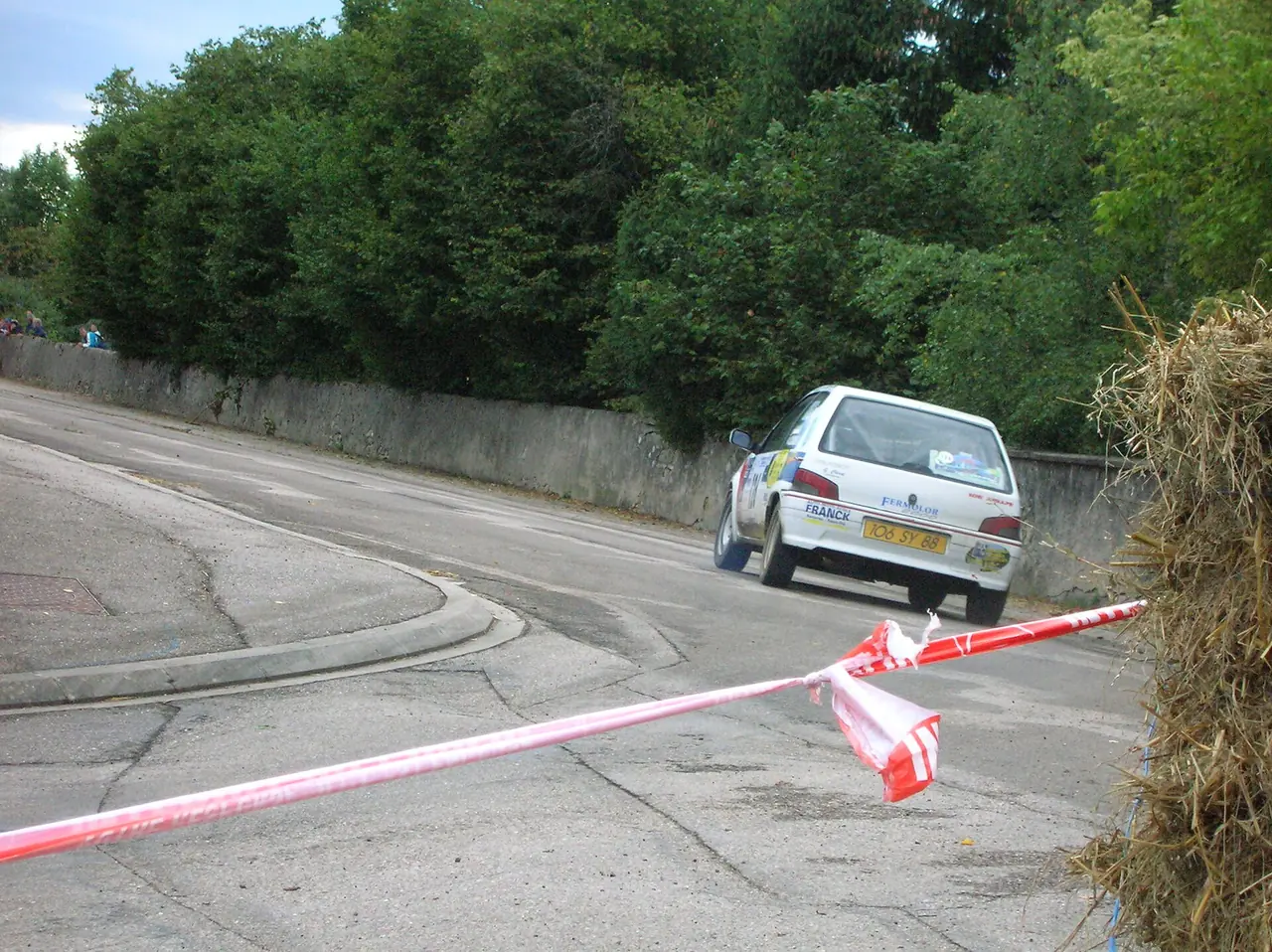
A white Peugeot 106 on a closed road with tape
Photo: SunflowerYuri · CC0